Instead he just paced along the edge of the ground, hands deep in the pockets of his jacket, head bent.
I wanted to believe the dark had scared him too, that there was something left in him that could feel shame, but the memory of his hands—hard, sure, wanting—kept replaying behind my eyes.
I drifted to the far side of the fort’s yard.
Beyond the fence, an expanse of churned earth and dying grass sloped toward a tangled line of woods. The ground was pitted with hollows and mounds. Trenches, probably, or the remains of the old burial pits the guide had mentioned in passing, voice grave and theatrical for the benefit of bored high schoolers.
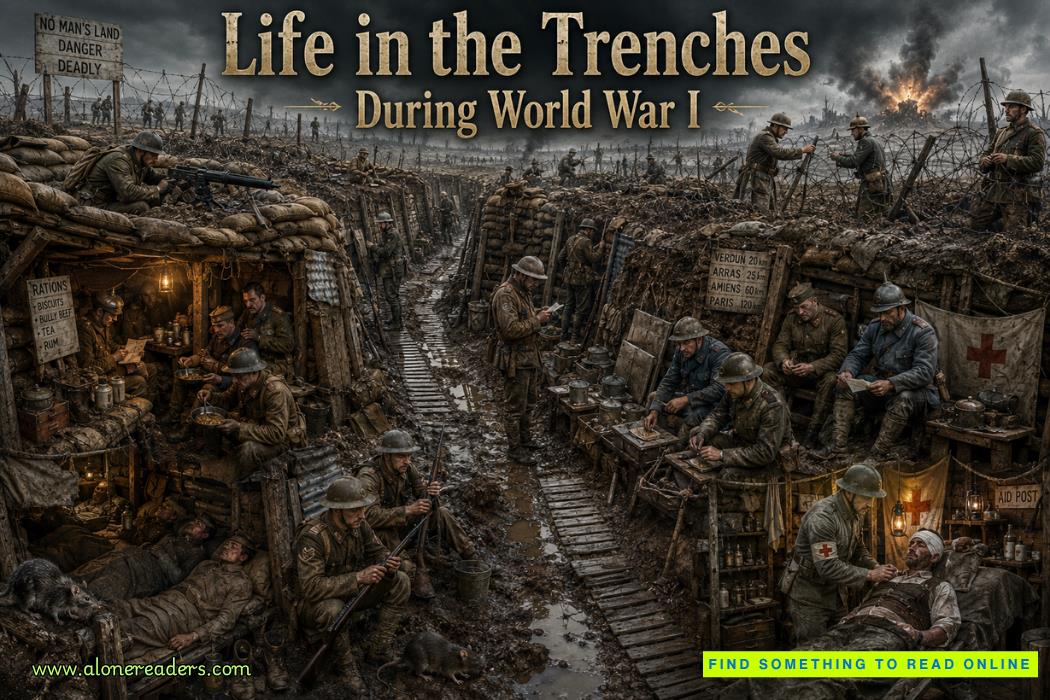
I imagined corpses stacked tight as cigarettes, the dirt too cold to let them rot, all their stories reduced to bone and bloodstain. I wondered if they haunted the place, if they ever wished for vengeance or simply wanted to be left alone.
I pressed my hands to the frozen rail at the fence’s edge, the sting of it snapping me back into my skin.
I thought: if I stood here long enough, maybe the cold would work its way in and soothe every wound, every memory, until I was blue and hard and too numb to care.
A crow perched on a splintered picket, watching me with the derision of someone who’d seen it all before: girls unraveling, boys turning to dogs, the world never bothering to notice either way.
It cawed, a single dry syllable, and flapped to a post farther down, keeping its distance but never taking its eyes from my hands.
I realized I was still trembling. I pressed the heel of my palm into my thigh, grounding myself in the spike of cold.
A memory surfaced. The day after my father left, I’d sat alone at the kitchen table.
The whole house had the sickly-sweet tang of rotting fruit, and in that morning light, every object seemed edged in shadow, as if the sun itself was sick to its stomach.
My mother had been in her room for hours, door locked, thesound of her crying a constant, low-pitched whine through the drywall.
I’d sat motionless, listening for the world to crack open and end, but nothing had happened. The clock had kept ticking. The fridge had kept humming and I’d realized, with a clarity that hurt, that I was the only one who noticed.
That same loneliness had followed me here, to the fort, trailing me like a disease. Even with the courtyard swarming with kids, the sound of their laughter a rotten froth over the hard earth, I felt isolated, a cold spot in the middle of a fever.
Alone, drowning in my darkness, forever.
Back in the bus, I scrabbled for the window seat and crammed myself against the shuddering glass.
The sky was a morbidity, blue turned to lead, clouds low and morbidly thick, swallowing the sun before it could die a proper death.
I pressed my forehead to the cold, let the vibration of the engine rattle my thoughts into something empty.
After a while, I realized Caiden wasn’t next to me. The seat was vacant, and I was alone for the first time all day.
I wanted to feel relief, but all I felt was a slow, numbing dread creeping up my bones.
THE PAST
AMELIA’S BREAKING POINT




The roar of voices drifted like a bomb throughout the house. I winced as I listened to my mother and Lillian snapping at each other like wild beasts.
I had sensed something terrible would happen today as soon as I saw my mom using drugs early in the morning.
Nothing good ever emerged from a drug binge.
“What is your fucking problem, Mom?”
“You are my problem! You kids ruined my fucking life!”
Something metal crashed against the wall, sending a jarring sound echoing through the house. Silence followed, then cries and more terror-filled yelling. Another object was thrown. I couldn't endure it.
Every night felt like a descent into hell, and the days were no better. I shut my eyes and let out a long breath.