By now Rosalyn had part of the stack in front of her and was trying to match the free pages with their envelopes, putting the military envelopes in order by the dates stamped on the front or, in the case of stamps too faint to read, by the dates written on the letters. It was oddly calming, holding history in her hands. She imagined the words being carefully jotted down on the fragile onionskin paper in muddy trenches, the likelihood that Émile had never made it home from the front. The agony of his loved ones upon hearing the news.
It was profoundly unsettling to find other people’s misfortunes comforting. Whenever she spotted a cemetery, Rosalyn would stop and meander through, hungrily searching the headstones for evidence of young men dying in the prime of life. It wasn’t schadenfreude—she would never wish this pain on another—but rather the recognition of a fellow sufferer. A strange, fathomless kinship.
She wasn’t the only one. Others had survived far worse.
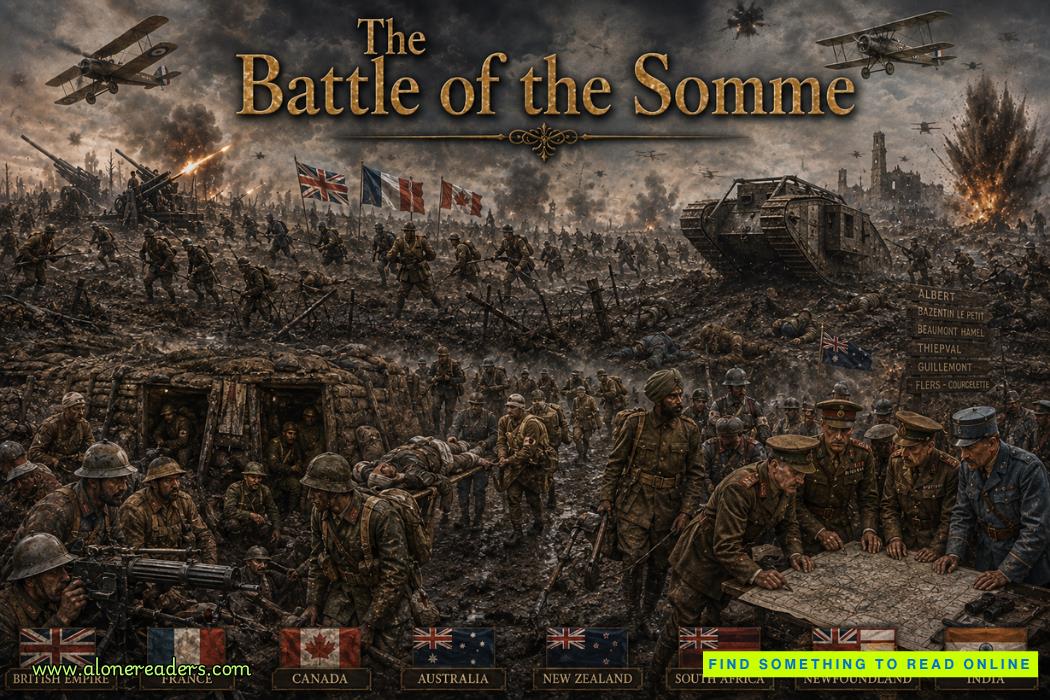
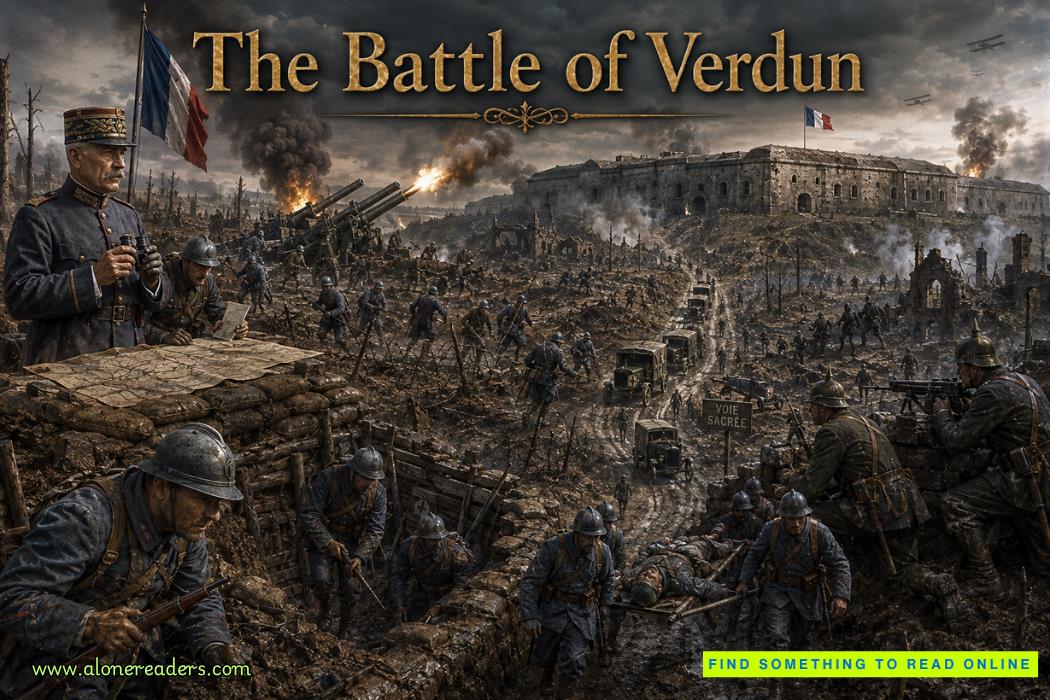
Some, for instance, were forced to live in caves to escape the hell raining down upon their city.
“Anyway, I had planned to check in with my wine producers and vineyard managers, and then do some snooping around in attics.” Emma gestured to her cast, shook her head, and let out a sigh worthy of a martyr. “But nowthatplan is a bust. Old French homes aren’t exactly built for the disabled.”
“I’m sorry to hear that. What happened to your leg?”
“An unfortunate encounter with a taxi on Bush Street, right outside the Chinatown gates. Ruined a damned fine pair of jeans. But I suppose it could have been worse.”
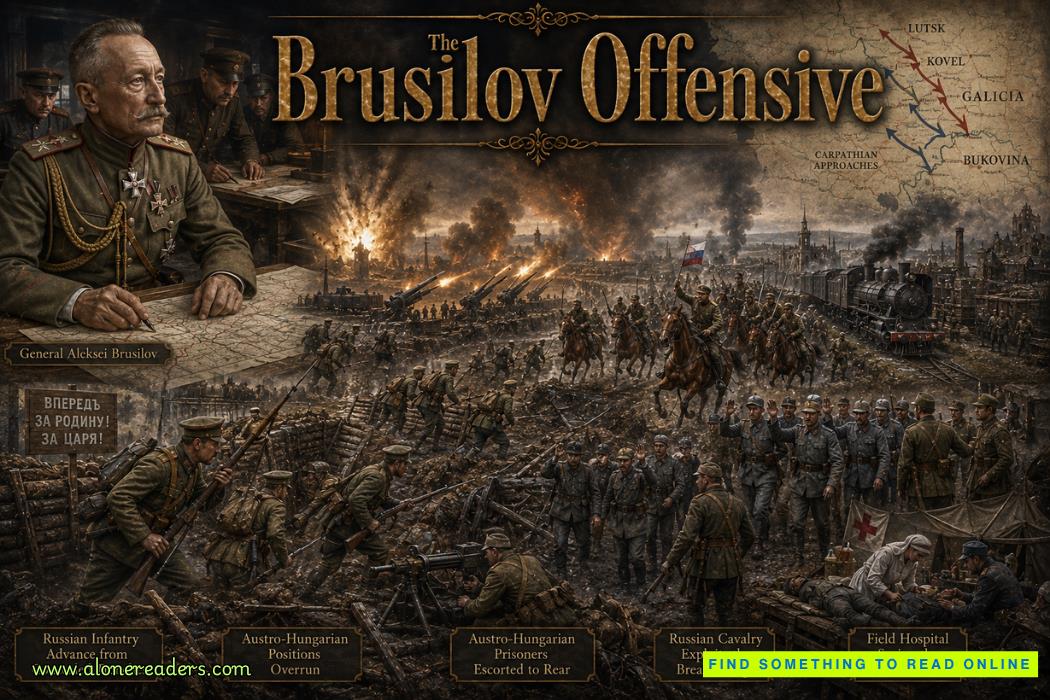
Rosalyn nodded and turned her attention back to the letters. Emma was right. They weren’t easy to read, but with the aid of the dictionary on her computer, she made out a few snatches of lines: “... The air is thick with grenades and trench mortars. These last are a diabolical kind of toy. Their explosion feels like ten earthquakes rolled into one.”
“Intriguing, aren’t they?” Emma asked.
“They are.” Undeniably so. It wasn’t just what the words said that captivated Rosalyn. It was the ghostly presence of the hand moving across the paper a century ago, the lingering stories of lives long gone. A tangible remnant of the past.
The crumbling letters left tiny bits of brown and yellow dust on her tray and the pads of her fingers. Traces of a long-ago life.
“The letters don’t paint a very pretty picture, though, do they?” said Rosalyn, as she tried to decipher a description of life on the front. “A bunch of hairy men living in muddy trenches—can you imagine the smell?”
Emma laughed that boisterous laugh again. “Smelling good was the least of their worries.”
“I’m curious, though,” Rosalyn continued. “If things were as bad as all that, how was there mail delivery to and from troops?”
“The French government made delivering the mail a priority. Most of the fighting was on the western front, near France’s borders with Germany and Belgium. But the soldiers came from all over France. It was a dreadful war, with a tragically high casualty rate. In order for thepoilusto risk their lives forla patrie—and accept that they might be injured or die—they needed to maintain their connection to the folks back home. That wasn’t always possible, though. Reims, for example, was so cut off from the outside world that some of the businesses that still operated issued their own currency in lieu of banknotes. I doubt the postal service could get in or out.”
“I wonder what happened to Lucie. Her story could make a very interesting part of your book.”
Emma nodded. “I hope to see if I can find any descendants of Lucie Maréchal in the area. Émile’s letters create quite the vivid portrait. As I said, it’s likely that Émile died—along with a million and a half others—but if not, I might be able to find his descendants.”
It did seem like a long shot, Rosalyn thought. Still, while the Great War seemed like ancient history, it really was only a few generations in the past. It wasn’t unreasonable to think that letters and other documents remained tucked away in family albums or attics. Rosalyn had left old school papers and other relics at her childhood home until her mother moved recently. It could happen.
The flight attendants began the dinner service, and Rosalyn was disappointed when Emma tucked the letters back into their inadequate folder. The meal was delicious—nothing at all like the airplane food people used to complain about, back when complimentary meals were offered on most flights. Rosalyn had to admit that the French knew how to do air travel—at least in first class.
Rosalyn was on her third glass of wine when Emma suddenlysaid, “Hey! I don’t suppose you’d like to go on the hunt for me? I’ll pay you, of course—I’m quite wealthy.”
“Oh... thanks, but I have a job.”
“But you don’t like it.”
Rosalyn let out a startled, breathy laugh.




“Doesn’t hunting down old letters sound more interesting than what you’re doing?”
“Well, yes, but there’s also...” A debt to be repaid, a debt that could never be repaid. Hugh had done so much for her. “I’m only in France for a few weeks, and I have to fulfill my obligation to my boss.”
“I can work with that. Just change your return ticket and stay a few more weeks. I’ll make it worth your while.”
“I really don’t think so. But thanks for the offer.”
Emma shrugged and mopped up the last of the sauce on her plate with a dinner roll. “It was worth a shot. I suppose I could see if there’s a local I could bribe. It’s just that you speak English, thank God. Speaking French is such aburden. And I like you. I think we’re on the same wavelength.”
Rosalyn looked at her with surprise. Emma was so open, so seemingly eager to embrace life in all dimensions. Rosalyn was the opposite: a cardboard cutout masquerading as a person.
Emma leaned into her slightly. “I’m not saying we’realike, Rosalyn. I’m saying I think you understand me. It’s not just because we’re both native English speakers—I spent a year at the Sorbonne and speak French passably well, but that does not mean the French and I understand each other. They are an odd lot, aren’t they? Fabulous, but odd. They treat you like a leper if you want to make a meal out of a bag of chips, for instance. Americans, on the other hand, I feel a certain kinship with. Might be the British-colonial thing—you Americans have a lot in common with us Aussies.”