“Ah. The Bailey family,” he echoed. “Sounds like you’ve researched it.”
“A bit.”
“So, Bailey Brothers’ Best comes from right here then,” he mused. “They didn’t make the whisky in the house, though.”
“No. It was during Prohibition, which was a really busy time for whisky makers and buyers. Especially around these parts. The still would have to have been well hidden and far from here to keep it safe from others,” she explained, digging out her phone. She flicked on its flashlight, then leaned over the ragged edge of the broken wall to peer into the tangle of two-by-fours, plaster, and glass. “Being a bootlegger at that time was dangerous. Things could get pretty violent, just like in the movies. Everyone carried a revolver, they raced Model Ts down twisty roads in the middle of the night, there were flappers and gambling, millionairegangsters…” Her light flickered over the dust, glinting off the sleeping bottles. “It was an exciting era.”
“So why’d they do it, if it was so dangerous?” he asked.
She began snapping photos of the wall, the hole, and the bottles, imagining it as a later display in the museum. “I think partially because the men coming back from war generally wouldn’t be inclined to follow the old rules. They’d just come from the worst possible place, and they wanted to enjoy themselves. But I also think it’s because some of the vets couldn’t find work. Once they saw how much money they could make, it was a natural.”
He scratched the bristle of his beard. “And these Bailey brothers were veterans?”
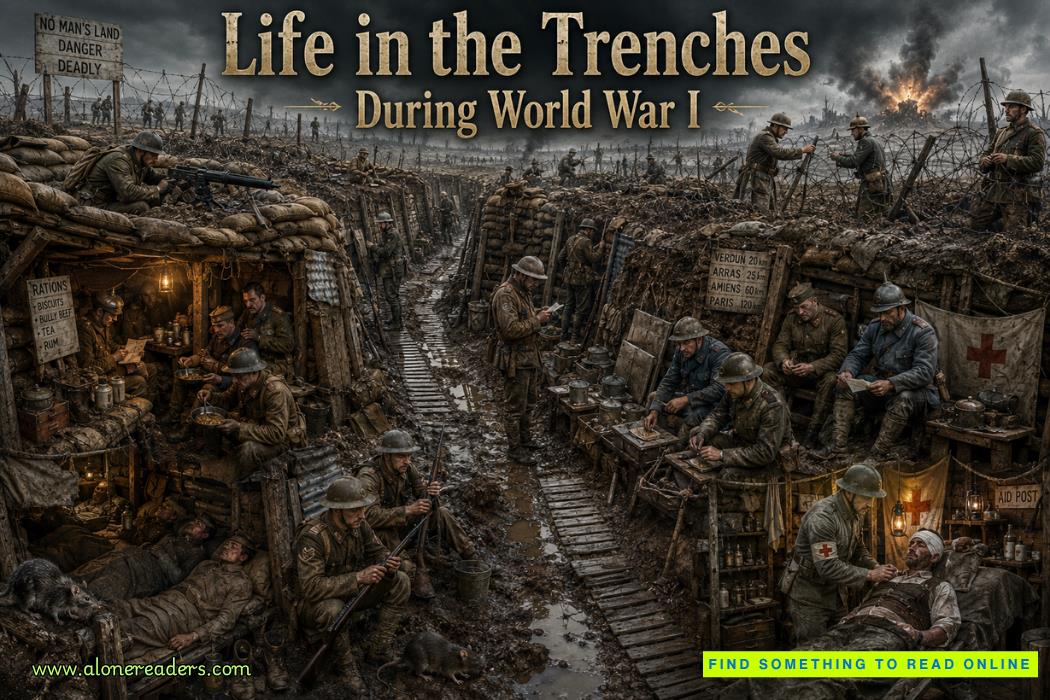
“Ever heard of tunnellers?”
“The guys who dug underneath the trenches?”
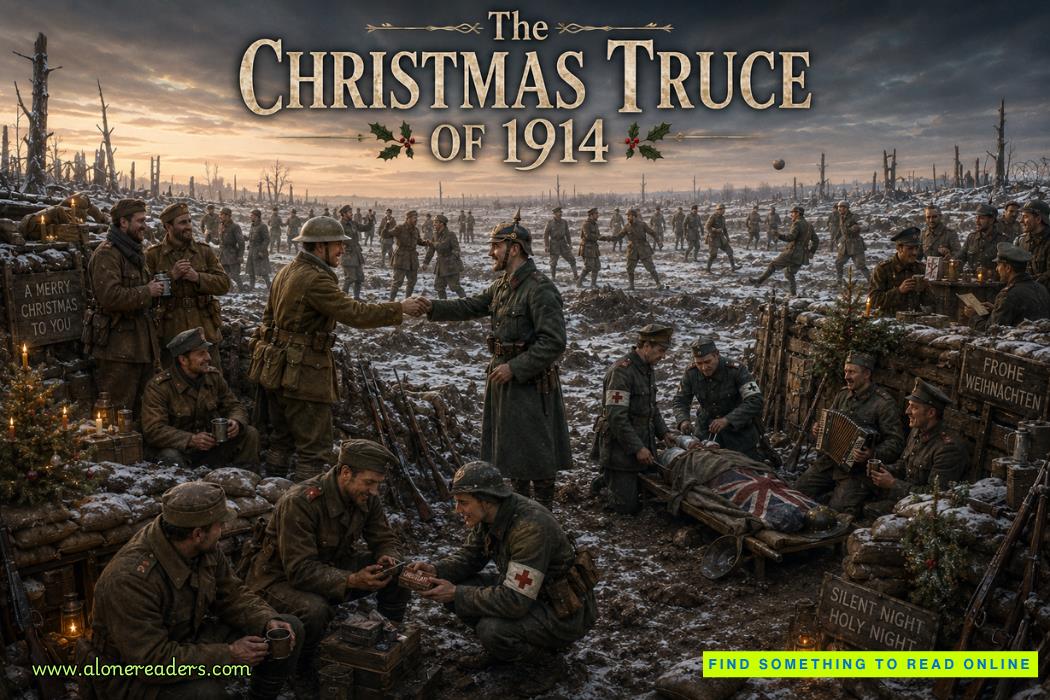
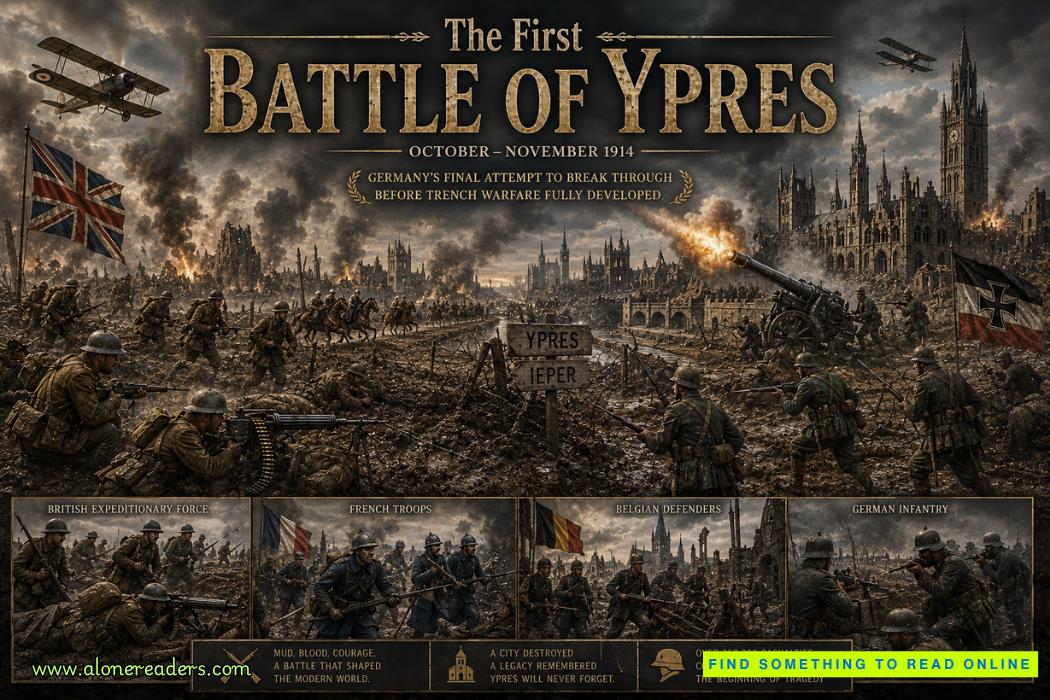
She nodded, impressed he already knew. “That’s what the Bailey brothers did. It was incredibly dangerous work. After surviving that, I don’t think rum-running seemed risky to them at all. They had a reputation for trouble, but it’s hard to know what’s true and what’s not. What’s a legend without its share of exaggerations, right?”
He raised his eyebrows. “Legend, eh? Anything in this legend about hiding bottles in walls?”
“No, none of the stories about the Baileys mention this,” she replied. That little detail had bothered her since Matthew had brought the first bottle to her. How had she not known about this?
“Cassie?” he asked, breaking her train of thought. “You okay?”
She looked up at him, noting his deep brown eyes. “Sorry. I was just thinking. It wasn’t uncommon for bootleggers to hide a stash of whisky for safekeeping from rivals. They would have sold the booze eventually, though. Unless something happened to prevent that, I guess.” She reached inside and touched a bottle. “You said there are about fifty?”
“I think so. I might have missed some in the back. A few of them look empty. Condensation, I guess.”
She stood back, surveying the room again. “Maybe this was their secret vault. Their ‘just in case.’ If you hadn’t gotten creative with your renos, we might never have known they even existed.”
“I aim to please,” he said, flashing her a truly handsome smile, his laugh lines deep in his tanned skin.
“Then maybe you can help me pack the bottles?”
“Happy to,” he replied, and they got to work.
She’d lined the tubs with blankets to keep the bottles from breaking. Together, they carefully lifted the bottles from the wall, wrapped them, and layered them inside the tubs.
“You know,” he said, bundling up a bottle. “The more you talk, the more interesting I find the whole idea of this place. The rum-running and stuff, I mean. Does the museum have an exhibit or something on Prohibition?”
“We do. People are often surprised to learn that Prohibition happened in Canada, not just the U.S.” She stopped. “Are you sure you’re interested in this? Because I could talk all day about it.”
He nodded. “I am. These days we live in the ‘now’ so much that we kind of forget the world was full of stories long before we came along.”




That made her smile. “That’s a beautiful thing to say.”
“Is it?”
“I think so. I guess that’s why I love my job at the museum. It’s about bringing old things back to life and finding their stories along the way.”
“So tell me some stories from Prohibition times,” he prodded.
She didn’t need to be asked twice. “Well, it was an age when legends were born. The big names like Al Capone and Bugs Moran were across the river, in the U.S. But here in Canada we had our own kingpins. Like Hiram Walker, though he came along earlier, in the late 1800s. Ever had Canadian Club whisky?”
“Once or twice,” Matthew said. “My last name’s Flaherty, remember. Irish and whisky go together.”
“Right.” She laughed, feeling more and more at ease. “Walkervillewas his town, just east of here. Hiram was a grocer in Detroit, and he distilled whisky on the side, as so many people did back then. His Canadian Club whisky was the bestselling whisky on the market, and he made so much money he built himself a castle with a swimming pool and a barbershop inside it. All to the disapproval of the temperance movement people.”