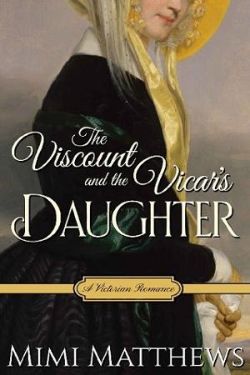
Mimi Matthews' novel, The Viscount and the Vicar’s Daughter, is a captivating foray into the Victorian romance genre, offering a delightful blend of character development, thematic depth, and emotional resonance. Set in England in 1861, the story brings together two seemingly disparate characters: Tristan Sinclair, a jaded viscount, and Valentine March, a vicar's daughter with a prim exterior. Their unexpected encounter at a holiday house party sets the stage for a romance that challenges societal norms and personal expectations.
At the heart of the novel is the theme of redemption and transformation. Tristan Sinclair, the world-weary rake, embodies the classic archetype of a man seeking to escape his past. His journey is one of self-discovery and healing, as he grapples with the consequences of his debauched lifestyle. Matthews skillfully portrays Tristan's internal struggle, making his character arc both believable and compelling. His initial cynicism and detachment gradually give way to vulnerability and sincerity, a transformation that is both satisfying and poignant.
In contrast, Valentine March is introduced as a seemingly conventional figure—a vicar's daughter with a reputation for propriety. However, Matthews peels back the layers of her character to reveal a woman of strength and independence. Valentine is not merely a foil to Tristan's rakishness; she is a fully realized character with her own desires and ambitions. Her resolve to maintain her dignity and pursue her future, despite societal constraints, adds depth to her character and makes her a relatable and inspiring heroine.
The dynamic between Tristan and Valentine is central to the novel's emotional impact. Their initial interactions are marked by tension and misunderstanding, yet there is an undeniable chemistry that Matthews captures with finesse. As their relationship evolves, the barriers between them begin to crumble, leading to moments of genuine connection and intimacy. This gradual development of their romance is reminiscent of the works of Jane Austen, where social conventions and personal growth play pivotal roles in the characters' journeys.
Matthews' writing style is elegant and evocative, perfectly suited to the historical setting. Her attention to detail in depicting the Victorian era is commendable, from the opulent settings of the house party to the nuanced social dynamics at play. The prose is rich and descriptive, immersing readers in the world she has crafted. Yet, it is the dialogue that truly shines, capturing the wit and subtlety of the characters' interactions. The exchanges between Tristan and Valentine are particularly engaging, filled with both humor and heartfelt sincerity.
In terms of thematic exploration, The Viscount and the Vicar’s Daughter delves into issues of class, reputation, and the constraints of societal expectations. Matthews examines how these external pressures shape the characters' lives and choices, adding layers of complexity to the narrative. The novel also touches on the idea of second chances and the possibility of change, both personally and relationally. These themes resonate throughout the story, offering readers a thoughtful reflection on the nature of love and redemption.
Comparatively, Matthews' work can be likened to the novels of Georgette Heyer, known for her Regency romances that blend humor, romance, and historical detail. Both authors excel in creating vivid characters and engaging plots that captivate readers. However, Matthews brings a modern sensibility to her storytelling, infusing her characters with a depth and relatability that feels fresh and contemporary.
Emotionally, the novel is a rollercoaster, with moments of tension, joy, and heartache. Matthews navigates these shifts with skill, ensuring that each emotional beat feels earned and impactful. The stakes are personal and profound, drawing readers into the characters' lives and making their triumphs and setbacks deeply felt. By the novel's conclusion, the emotional journey of Tristan and Valentine leaves a lasting impression, resonating with themes of hope and renewal.
Overall, The Viscount and the Vicar’s Daughter by Mimi Matthews is a standout addition to the Victorian romance genre. With its richly drawn characters, eloquent prose, and thoughtful exploration of timeless themes, the novel offers a rewarding reading experience for fans of historical romance. Matthews' ability to weave a tale of love and redemption against the backdrop of Victorian society is both enchanting and thought-provoking, making this book a must-read for literature enthusiasts seeking a story that is as emotionally satisfying as it is beautifully crafted.



