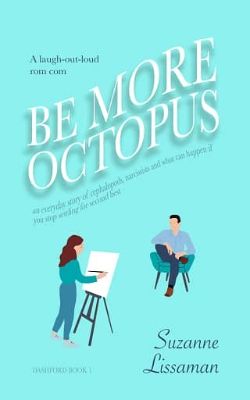
Suzanne Lissaman's novel, Be More Octopus, offers a refreshing take on the journey of self-discovery and personal growth, set against the picturesque backdrop of the North Devon coast. This contemporary romance novel delves into themes of betrayal, resilience, and the quest for a more fulfilling life, making it a compelling read for fans of the genre.
At the heart of the story is Em, a character whose life takes an unexpected turn when she discovers her fiancé's infidelity. This revelation acts as a catalyst for her transformation, prompting her to leave behind the remnants of her old life and seek solace in a new environment. Lissaman skillfully portrays Em's emotional turmoil and determination to rebuild her life, making her a relatable and inspiring protagonist. Her journey is not just about moving to a new place but about rediscovering her identity and passions, particularly her love for painting.
The introduction of Jack Carver, an attractive professor on holiday, adds an intriguing layer to the narrative. Jack's presence in the story is not merely as a potential romantic interest but as a mirror reflecting Em's own struggles and desires. Both characters are portrayed with depth and nuance, and their interactions are charged with a mix of tension and camaraderie. Lissaman's ability to craft such dynamic characters is reminiscent of authors like Jojo Moyes and Nicholas Sparks, who excel in creating emotionally resonant relationships.
One of the major themes in Be More Octopus is the idea of starting over and the courage it takes to pursue a life that truly aligns with one's values and aspirations. Em's journey is a testament to the power of resilience and the importance of embracing change, even when it feels daunting. Lissaman's exploration of this theme is both poignant and uplifting, offering readers a sense of hope and empowerment.
The novel's setting plays a significant role in shaping the story's atmosphere. The North Devon coast, with its rugged cliffs and serene beaches, serves as a metaphor for Em's internal journey. The natural beauty of the landscape is vividly described, providing a stark contrast to the turmoil Em faces. Lissaman's descriptive writing style brings the setting to life, allowing readers to immerse themselves in the tranquility and isolation that the coast offers. This attention to detail enhances the emotional impact of the story, making it a truly immersive experience.
Lissaman's writing style is both engaging and accessible, with a conversational tone that draws readers in from the very first page. Her prose is infused with warmth and wit, making the novel a pleasure to read. The dialogue is sharp and realistic, capturing the nuances of human interaction and adding depth to the characters' relationships. This style is particularly effective in conveying the emotional highs and lows of Em's journey, allowing readers to connect with her on a personal level.
Emotionally, Be More Octopus is a rollercoaster, taking readers through moments of heartbreak, introspection, and ultimately, joy. Lissaman's ability to evoke such a wide range of emotions is a testament to her skill as a storyteller. The novel's emotional impact is further heightened by its exploration of universal themes such as love, loss, and the search for meaning, making it a relatable and thought-provoking read.
In comparison to other works in the contemporary romance genre, Be More Octopus stands out for its emphasis on personal growth and self-discovery. While romance is a key element of the story, it is not the sole focus. Instead, Lissaman weaves a narrative that celebrates the complexity of human relationships and the importance of finding one's own path. This approach is reminiscent of works by authors like Elizabeth Gilbert and Cheryl Strayed, who similarly explore themes of self-exploration and empowerment.
Overall, Suzanne Lissaman's Be More Octopus is a beautifully crafted novel that offers a heartfelt exploration of life's challenges and the transformative power of change. With its richly drawn characters, evocative setting, and emotionally resonant themes, it is a must-read for fans of contemporary romance and anyone seeking a story of hope and renewal. Lissaman's novel is a reminder that, like the octopus, we have the ability to adapt, grow, and thrive in even the most unexpected circumstances.



